Home >> Products >> Aluminum Machining Parts
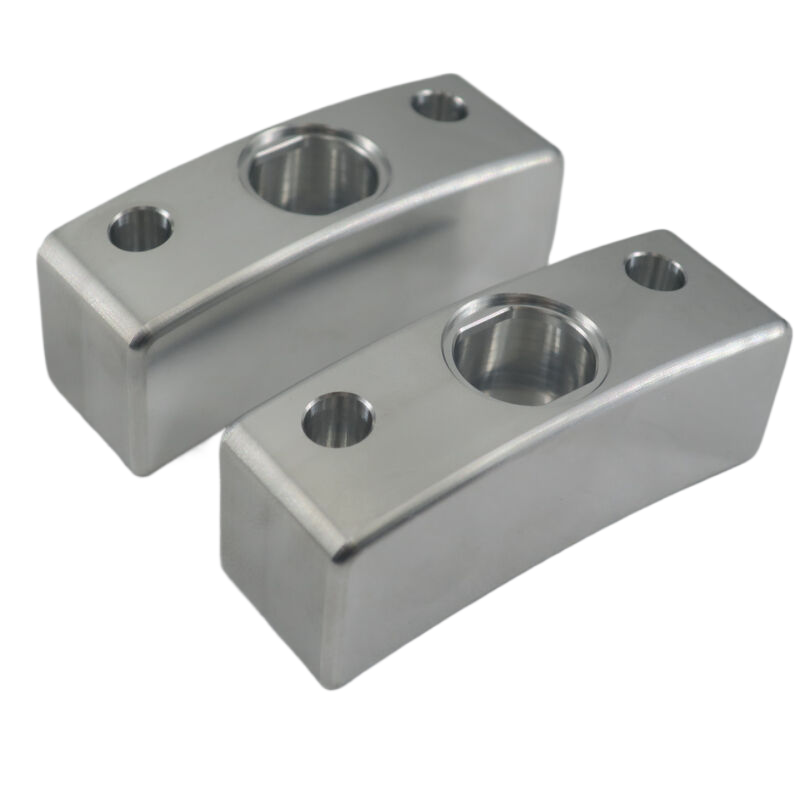
Optical Mount Base for Photonics
Precision CNC Machined Base for Stable Opto-Mechanical Assemblies
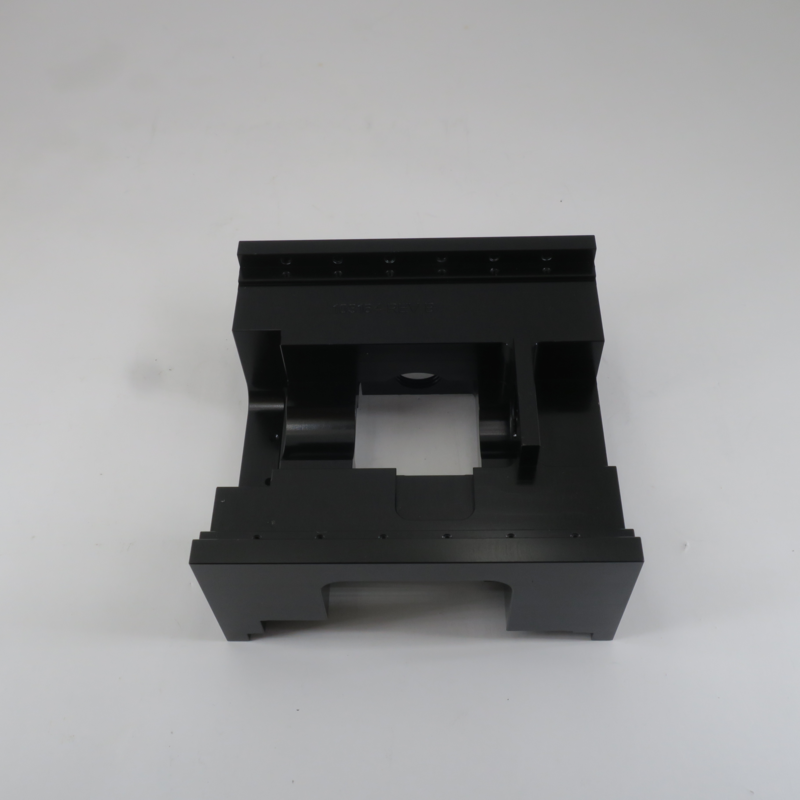
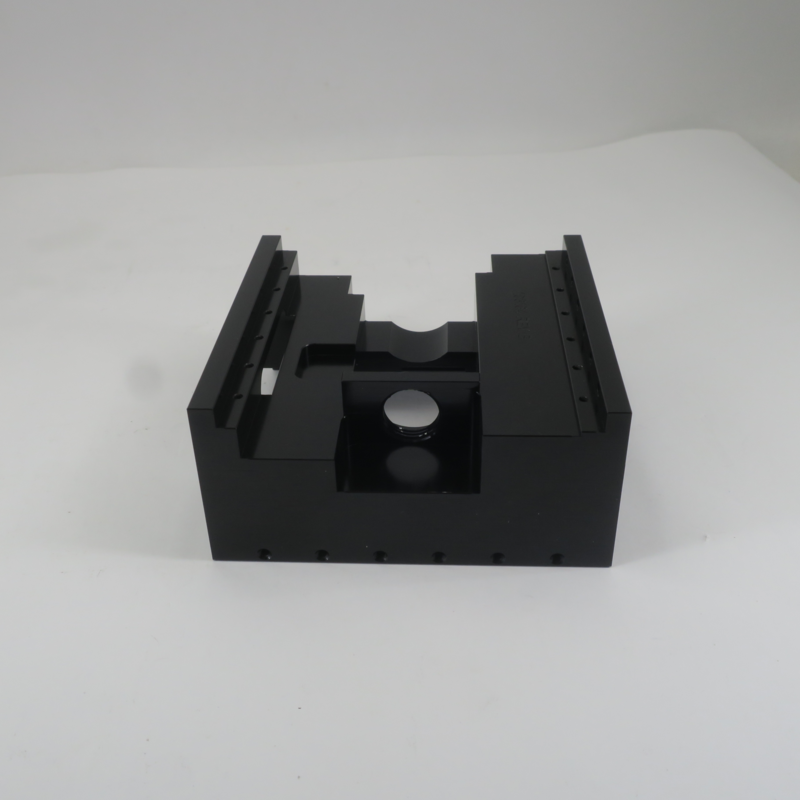
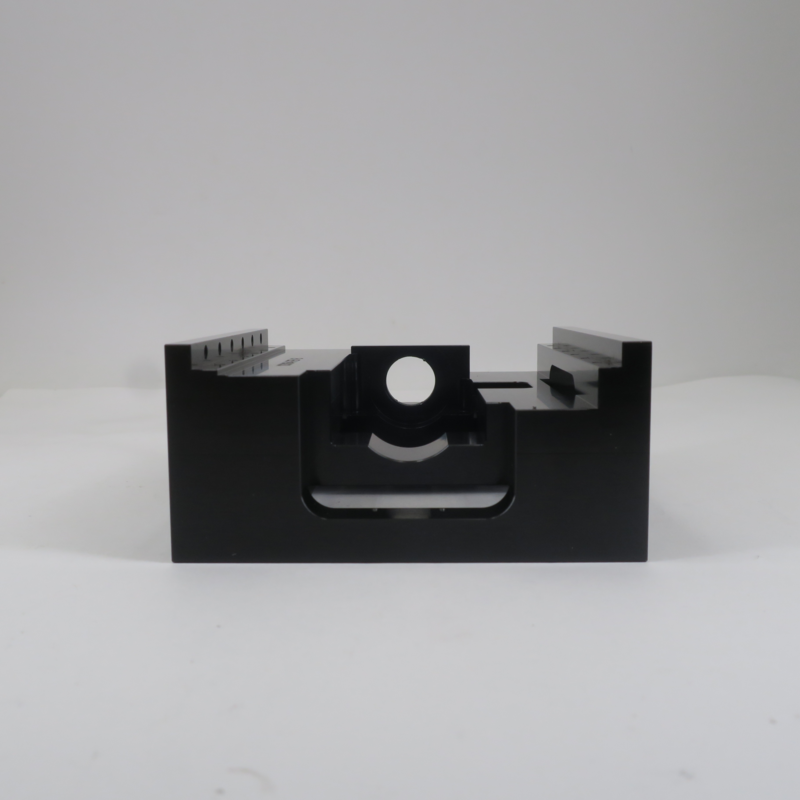
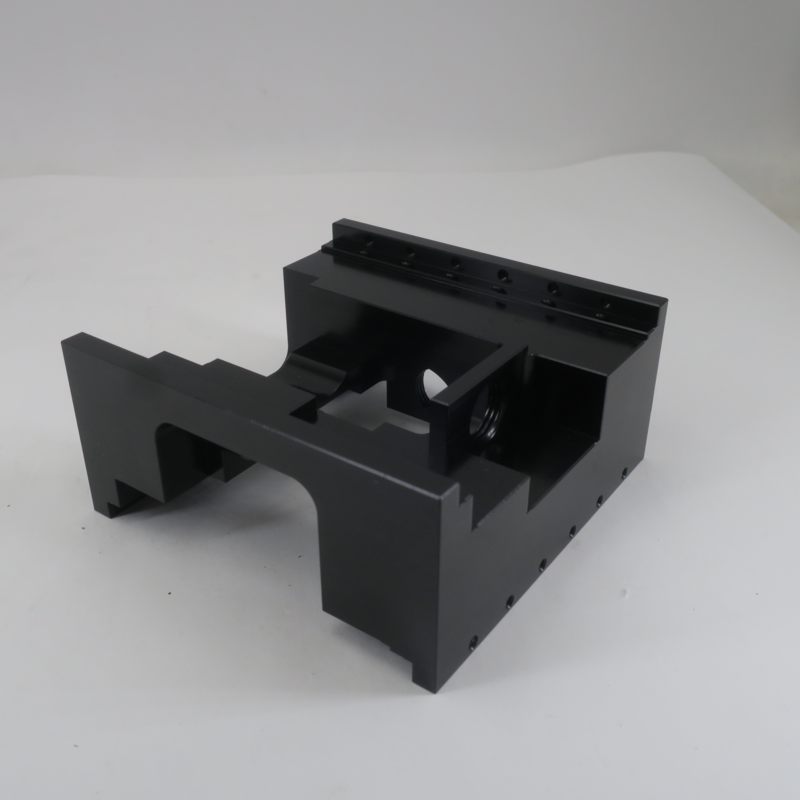
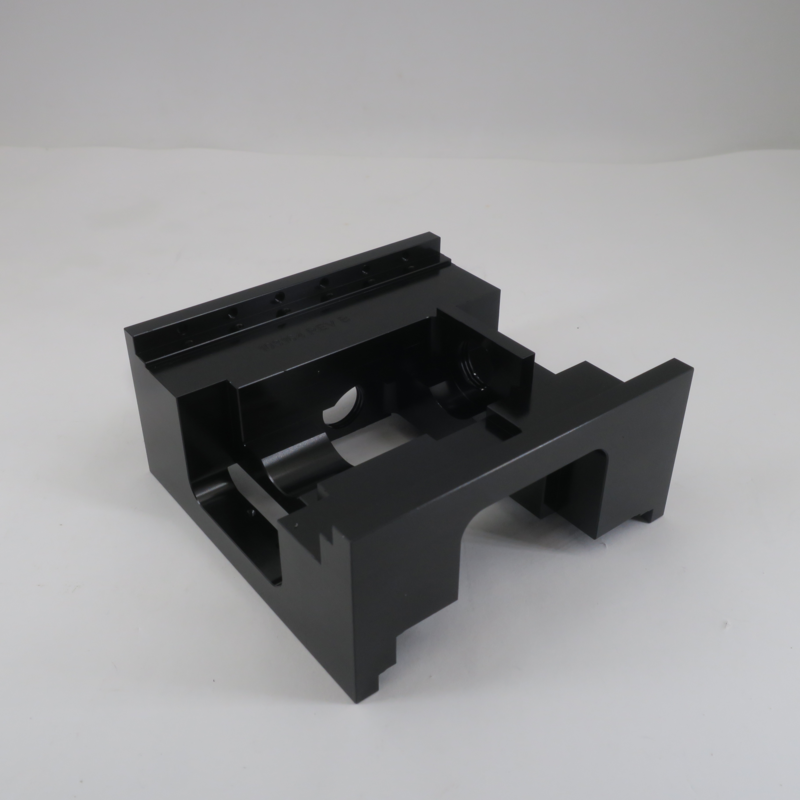
The Optical Mount Base is a precision CNC machined structural component designed to provide rigid support, accurate alignment, and long-term stability for optical and photonics systems.
Unlike simple brackets or adapters, this mount base functions as a system-level interface—transferring loads, preserving alignment, and minimizing mechanical drift after assembly, preload, and thermal cycling.
Products Details
At Rollyu Precision, optical mount bases are engineered not only to meet dimensional tolerances, but to perform reliably inside real optical systems.
Typical Applications
This optical mount base is commonly used in:
Photonics and optical systems
Laser modules and laser housings
Optical benches and experimental platforms
Precision imaging and inspection equipment
Semiconductor and opto-electronic tools
High-stability sensor and measurement systems
It is especially suitable for alignment-critical assemblies where mechanical drift directly affects optical performance.
Why Optical Mount Bases Fail in Practice
In many photonics projects, optical mounts pass inspection but fail after assembly.
The most common reasons are not tolerance errors, but:
Assembly preload introducing internal stress
Uneven clamping across mounting interfaces
Flatness distortion after anodizing
Stress redistribution during thermal cycling
This optical mount base is designed with these real-world conditions in mind.
Design & Engineering Features
High Structural Rigidity
Machined from solid billet material
Block-style geometry for stiffness
Reduced deformation under preload and vibration
Interface-Controlled Geometry
Parallel mounting surfaces for predictable datum transfer
Precisely machined pockets and reference faces
Symmetric layout to minimize asymmetric stress
Alignment-Oriented Architecture
Central locating features for optical components or modules
Multiple mounting interfaces for repeatable positioning
Designed to maintain alignment after assembly, not just during inspection
Materials & Surface Finishing
Common Materials
Aluminum alloys (e.g. 6061, 7075)
Stainless steel (for higher stiffness and vibration resistance)
Titanium (for strength-to-weight and thermal stability)
Surface Treatments
Black anodizing (low reflectivity, optical-friendly)
Hard anodizing for wear resistance
Bead blasting or fine machining finish for controlled contact behavior
Material and finish are selected based on system stability, not appearance alone.
Precision Machining Considerations
Optical mount bases demand more than standard CNC machining practices:
Balanced material removal to reduce residual stress
Controlled machining sequence for flatness retention
Careful management of internal corners and transitions
Finishing strategies that preserve interface geometry
Inspection verifies geometry, but engineering decisions ensure stability.
Inspection & Quality Control
Each optical mount base can be inspected using:
CMM measurement for critical features
Flatness and parallelism verification
Thread and interface inspection
Visual and surface finish checks
Quality documentation is available upon request.
Why Choose Rollyu Precision
Extensive experience with opto-mechanical components
Focus on system behavior, not just part geometry
ISO 9001 certified manufacturing processes
Engineering-driven communication with customers
Proven capability in photonics and laser hardware
We work with engineers who care about what happens after assembly.
Engineering Consultation Recommended
If your application involves:
Alignment-critical optics
Preloaded or clamped interfaces
Thermal cycling or long-term stability concerns
we strongly recommend an engineering discussion before finalizing machining details.
Request an Engineering Consultation
Our team will review your application context, material selection, and stability requirements before production.
Frequently Asked Questions
What tolerance is typical for an optical mount base?
Tolerance depends on the optical function and interface design. While micron-level tolerances are common, flatness, parallelism, and stability after assembly are often more critical than nominal dimensions.
Can this mount base be customized?
Yes. Geometry, material, surface finish, and interface features can be customized based on your optical system requirements.
Is this suitable for laser systems?
Yes. This optical mount base is commonly used in laser modules and laser system assemblies where mechanical stability directly affects beam alignment.
Related Capabilities
Photonics CNC Machining Services
Optical Mounts & Kinematic Components
Precision Machined Laser Housings
Opto-Mechanical Assembly Support