Jan. 07, 2026
Sheet metal fabrication offers numerous advantages over other manufacturing methods, including cost-effectiveness, high accuracy, fast turnaround times, and versatility in design and material choices. It's also known for durability, strength, and ability to be easily customized.
In today’s manufacturing landscape, speed, flexibility, and scalability are essential. For engineers, product designers, and OEMs, sheet metal fabrication offers a powerful combination of precision, material variety, and cost-efficiency — all without the need for expensive tooling or long setup times. At Rollyu Precision, we specialize in custom sheet metal fabrication and provide end-to-end support from metal laser cutting to final assembly.
But what makes sheet metal fabrication a better option compared to CNC machining, die casting, or plastic molding? Let’s explore the core advantages and applications across industries.
Feature | Sheet Metal Fabrication | CNC Machining | Die Casting / Molding |
Tooling Required | None or minimal | None | High |
Material Efficiency | High (nesting, | Lower | High once |
Lead Time | Fast — ideal for | Moderate | Long |
Design Revisions | Easy to change | Moderate | Difficult & expensive |
Surface Finish | Powder coat, anodizing, plating | Machined, | Limited |
Cost for Small Runs | Low | Moderate | High |
What Are the Advantages of Sheet Metal Fabrication?
Sheet metal fabrication has become one of the most widely used manufacturing methods for producing precise, durable, and cost-efficient parts. From medical equipment and automation systems to consumer electronics and industrial machinery, this process offers a smart combination of performance and flexibility.
One of the biggest advantages of sheet metal fabrication is its cost-effectiveness—especially for small to mid-volume production runs. With no need for expensive tooling or molds, it offers a faster and more affordable path to market compared to casting or injection molding.
Another strength lies in its design flexibility. Engineers can easily adjust hole placements, flange lengths, or bend angles without retooling, making it ideal for both prototyping and frequent design updates. Combined with tight tolerances and high repeatability, this allows for the production of complex and high-precision parts with consistent quality.
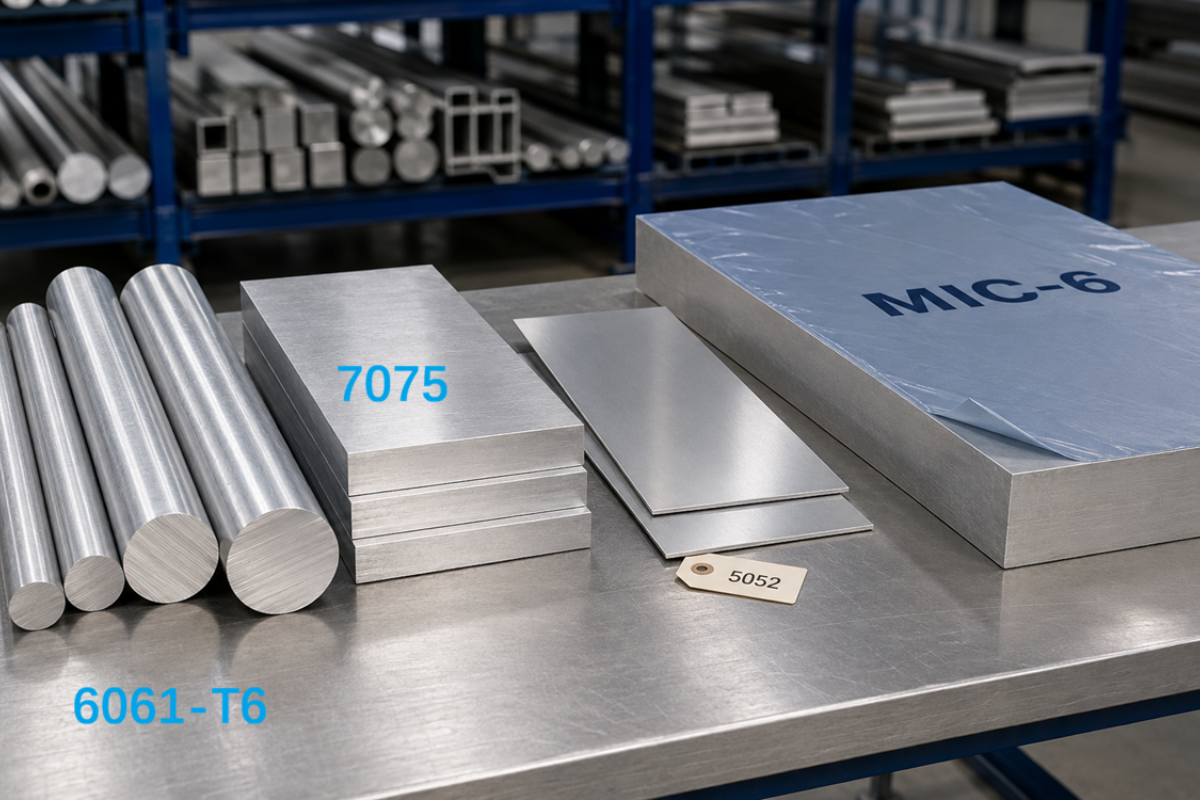
Sheet metal also stands out for its material versatility. Whether you're working with aluminum, stainless steel, cold-rolled steel, copper, or brass, it can be cut, bent, and finished to meet a wide range of functional and cosmetic requirements. At Rollyu Precision, we provide full support across laser cutting, CNC bending, welding, surface treatment, and assembly to ensure every part is production-ready.
Beyond speed and precision, sheet metal fabrication offers strong mechanical properties, including excellent durability and structural strength—even in thin profiles. That makes it suitable for load-bearing brackets, frames, and enclosures that require both performance and longevity.
In industries where short lead times, customization, and reliability matter, sheet metal fabrication continues to prove its value. It’s a trusted solution for teams looking to bring high-quality metal components to market faster, more efficiently, and with greater control over quality and cost.
Sheet metal fabrication, a cornerstone of modern manufacturing, offers numerous benefits. This process of creating metal structures by cutting, bending, and assembling has revolutionized industries. Let’s delve into some of the key advantages from Rollyu’s sheet metal fabrications:
Versatility: Metal fabrication allows for creating a wide range of products, from small components to large machinery.
Durability: Fabricated metal products are known for their strength and longevity, resistant to warping and corrosion.
Customization: Offers the flexibility to create custom designs, catering to specific needs and specifications.
Efficiency: Advanced techniques like laser cutting and CNC machining provide quick and precise results.
Cost-Effective: Mass production capabilities reduce overall costs, making it economically viable for large-scale projects.
Strength-to-Weight Ratio: Metals, especially alloys like aluminum, offer high strength with relatively low weight, ideal for various applications.
Aesthetics: Metal fabrication provides options for aesthetically pleasing finishes, including painting and powder coating.
Recyclability: Most metals used in fabrication are recyclable, supporting sustainable manufacturing practices.
Innovation: Constant technological advancements in metal fabrication processes lead to continuous improvement in product quality.
Safety: Fabricated metal structures, when done correctly, meet high safety standards, essential in industries like automotive and construction.