Jan. 06, 2026
This section addresses some of the most frequently asked questions from engineers, buyers, and project managers working with Rollyu Precision for CNC machining services. It covers lead times, order volumes, surface finish expectations, and documentation standards to help customers plan and manage their projects efficiently.
1. What are the typical lead times for CNC machining projects?
Lead times depend on part complexity, material availability, quantity, and post-processing requirements.
Rapid prototypes: 5–10 business days
Small to mid-volume production: 10–20 business days
High-volume runs or parts requiring anodizing, heat treatment, or electropolishing: 20–30 business days
Expedited services are available upon request. All delivery schedules are confirmed during quotation based on actual capacity and supply chain conditions.
2. What is your minimum order quantity (MOQ)?
Rollyu Precision supports a range of order sizes:
Prototypes and single-piece machining: Accepted
Low-volume production: From 5 to 100 units
Full-scale production: 100+ units, with pricing tiers based on quantity
We work closely with startups, R&D teams, and OEMs — no MOQ is required for initial development or validation builds.
3. What surface finish standards can Rollyu achieve?
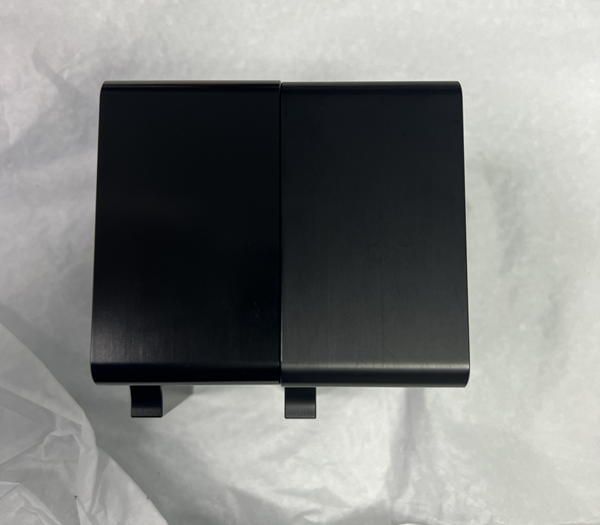
Surface finish depends on the machining process, material, and any post-processing treatments applied:
As-machined: Ra 1.6–3.2 μm typical (63–125 µin)
Polished: Ra 0.4–0.8 μm (16–32 µin)
Electropolished / Chemically polished: Ra < 0.2 μm for critical applications
Anodized / Bead-blasted / Powder-coated: Available per customer spec
Cosmetic surfaces: We follow industry-specific standards, including ASTM, ISO 1302, or customer-defined appearance criteria
All finishes are visually inspected and, if specified, verified using surface roughness testers (profilometers).
4. Do you provide material certifications?
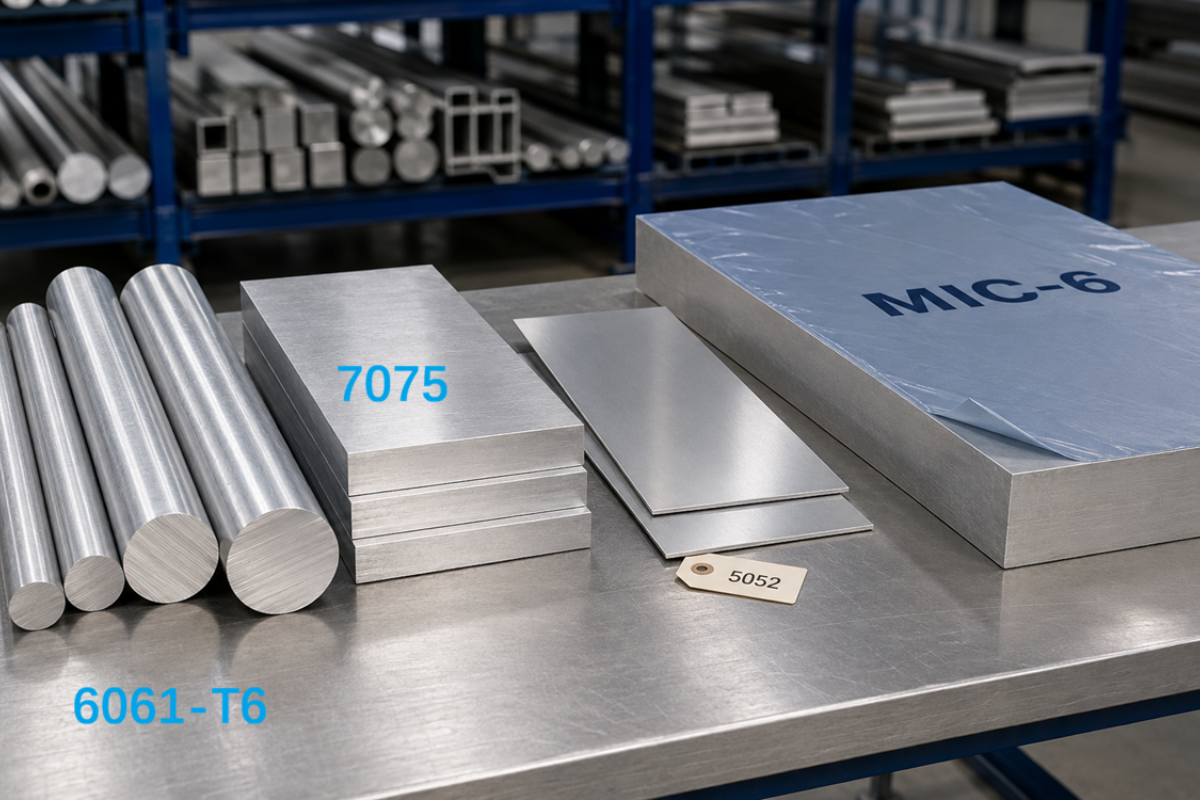
Yes. Rollyu Precision offers full traceability and certification for all materials used:
Material Test Reports (MTRs) / Mill Certificates
RoHS & REACH compliance declarations
Biocompatibility certification for medical-grade materials (e.g., Titanium Grade 5, 316L Stainless Steel, PEEK)
DFARS-compliant or domestic source documentation, if required
Certifications are included upon request and form part of our standard quality documentation package for regulated industries such as medical, dental, robotics, aerospace, and semiconductor.
Have additional technical or sourcing questions for your CNC project?
Our engineering team is available to review your drawings, tolerances, and documentation requirements before quoting.