Jun. 16, 2026
4140 Steel Machining: CNC Processes, Challenges, and Best Practices
4140 steel is available in multiple material conditions and stock forms, making it a practical choice for a wide range of CNC machining applications. Known for its combination of strength, toughness, and heat-treatable performance, it is commonly used for shafts, gears, tooling, and other high-strength components. CNC machining allows 4140 steel to be produced with excellent accuracy and repeatability. This guide focuses on machining processes, manufacturing challenges, and practical considerations for working with 4140 alloy steel.
4140 steel is a widely used alloy steel found in machine shops, tooling applications, and industrial equipment manufacturing. Because it is readily available in multiple stock forms and can be machined using standard CNC processes, it is commonly selected for components that require reliable mechanical performance and repeatable production.
From prototype development to production machining, 4140 is one of the most frequently specified alloy steels. It can be milled, turned, drilled, and threaded without requiring specialized manufacturing methods, making it suitable for a broad range of custom machined components.
Machinists typically encounter 4140 in either annealed or pre-hardened condition. Annealed material is easier to cut and is often chosen when additional processing will follow. Pre-hardened 4140 offers higher hardness before machining and is commonly used when parts need to enter service soon after manufacturing.
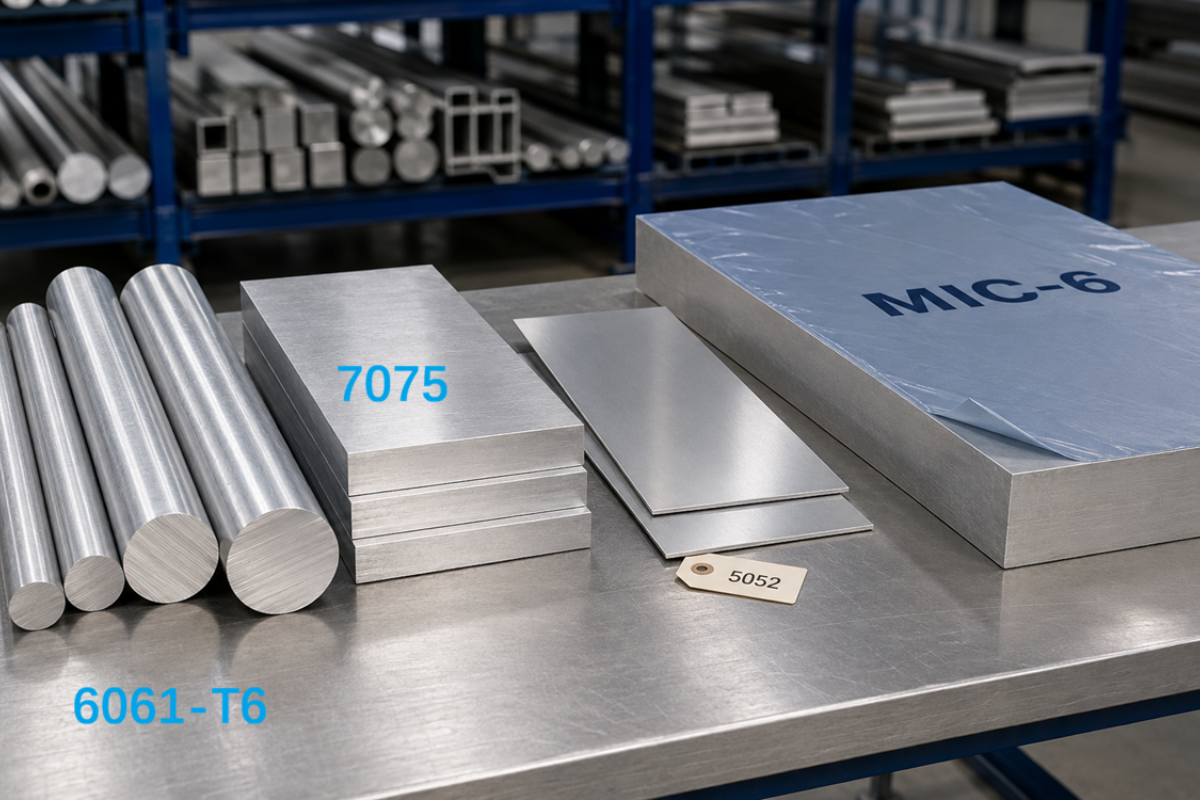
Manufacturers source 4140 steel in several standard forms depending on the machining process and part geometry.
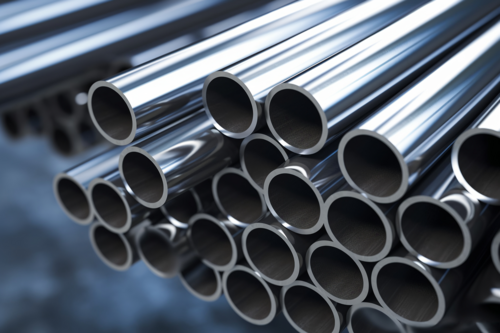
Round Bar
Often used for shafts, pins, rollers, and other turned components.
Plate
Commonly selected for brackets, fixtures, mounting plates, and machined structural parts.
Block
Suitable for tooling, custom-machined components, and multi-axis milling applications.
For a more detailed overview of material characteristics, applications, and manufacturing considerations, see our guide to 4140 alloy steel machined parts.
4140 steel is commonly selected for machined components because it combines durability, machinability, and long-term performance in a single material. These characteristics make it suitable for a wide range of industrial applications where both manufacturing efficiency and part reliability are important.
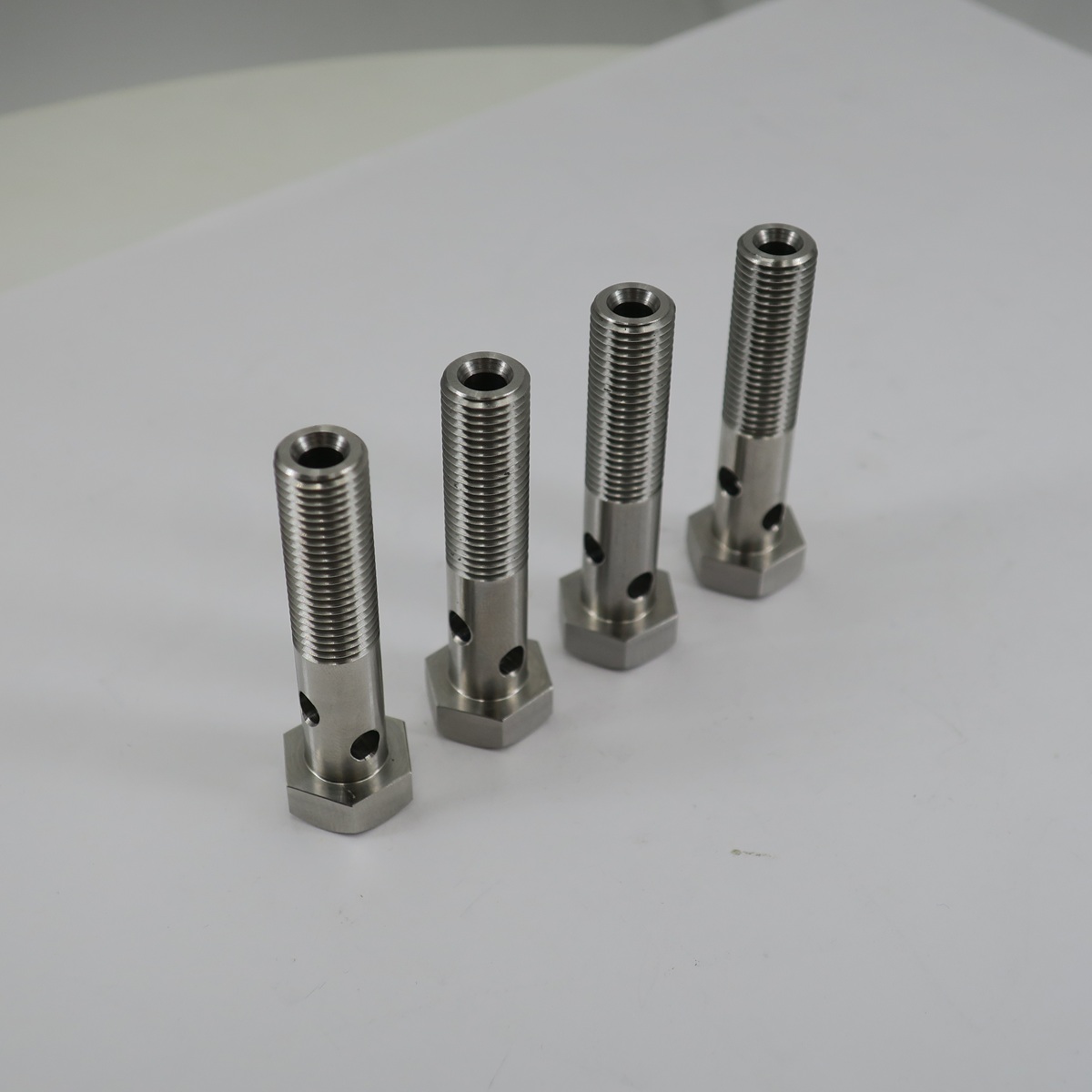
Many high-strength steels are difficult to machine efficiently, while highly machinable steels may not provide sufficient mechanical performance. 4140 occupies a practical middle ground. It offers significantly higher strength than general-purpose carbon steels while remaining suitable for CNC milling, turning, drilling, and threading operations.
Components subjected to repeated contact, friction, or cyclic loading often benefit from the wear resistance of 4140 steel. This characteristic helps maintain dimensional accuracy and extends service life in applications such as shafts, gears, tooling, and machine components.
Another advantage of 4140 steel is its ability to achieve different performance levels through heat treatment. Manufacturers can select machining and heat-treatment sequences based on application requirements, allowing the same material to support a wide range of production needs without changing the overall design.
4140 steel can be processed using a variety of CNC machining operations depending on part geometry, tolerance requirements, and production volume. In most manufacturing environments, turning, milling, drilling, and tapping are combined to produce finished components with precise dimensions and functional features.
Operation | Typical Parts | |
Turning | Shafts, Pins, Bushings | |
Milling | Plates, Brackets, Fixtures | |
Drilling | Precision Holes | |
Tapping | Threaded Features | |
CNC turning is commonly used when machining rotational components from 4140 round bar stock. The process is well suited for producing shafts, pins, bushings, rollers, and similar parts that require concentricity and consistent diameters.
Because material removal occurs while the workpiece rotates, turning is often an efficient method for creating stepped diameters, grooves, shoulders, and threaded features. Many industrial and hydraulic components begin as turned 4140 parts before undergoing additional machining or finishing operations.
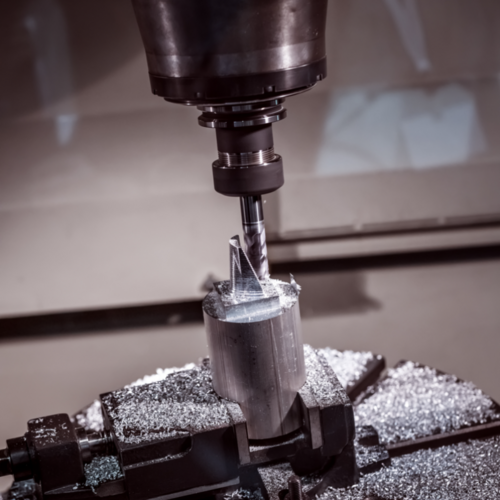
Milling is typically selected for components that require flat surfaces, pockets, contours, or multiple machined faces. 4140 steel is frequently milled into mounting plates, brackets, fixtures, tooling components, and custom mechanical parts used across industrial equipment and manufacturing systems.
Modern CNC milling machines can produce complex geometries while maintaining the dimensional accuracy required for assembly and functional performance. Multi-axis machining may also be used when features are located on several sides of a component.
Many 4140 steel components require precision holes for assembly, fastening, lubrication, or alignment. CNC drilling is used to create accurate hole locations and controlled depths, while tapping produces internal threads for bolts, fittings, and mechanical connections.
In addition to standard threaded holes, machining operations may include reamed holes, counterbores, and precision bores where fit and positional accuracy are critical. Careful tool selection and process control help maintain hole quality throughout production.
Although 4140 is considered a practical material for CNC machining, achieving consistent quality still requires careful process control. Tool selection, cutting conditions, and machining strategy can all influence production efficiency, surface finish, and dimensional accuracy.
Compared with low-carbon steels, 4140 places greater demands on cutting tools. As hardness increases, cutting edges are exposed to higher loads and wear more quickly. This becomes especially noticeable during long production runs or when machining pre-hardened material.
Maintaining tool condition is important not only for tool life but also for part consistency. Worn tooling can affect dimensional accuracy, surface finish, and feature quality.
Cutting operations generate heat at the interface between the tool and the workpiece. During extended machining cycles, excessive heat may accelerate tool wear and negatively affect machining stability.
Effective chip evacuation, appropriate cutting parameters, and suitable tooling help control heat buildup and improve overall process reliability.
Unlike some free-machining materials that produce short, easily managed chips, 4140 can generate longer chips under certain machining conditions. If chips are not properly controlled, they may interfere with the cutting process, damage finished surfaces, or reduce machining efficiency.
Chip-breaking tool geometries and optimized machining strategies are commonly used to improve chip management during production.
Parts with thin sections, large pockets, or significant material removal may experience slight movement during machining. Residual stress within the material can be released as stock is removed, leading to dimensional variation if the process is not properly planned.
For critical components, manufacturers often use staged machining operations and leave finishing stock for final passes to help maintain dimensional stability throughout production.
Tool selection has a direct impact on machining efficiency, surface finish, and dimensional consistency. The most suitable tooling depends on material condition, part geometry, production volume, and machining operation. In most cases, carbide tooling is preferred for machining 4140 steel due to its ability to maintain stable cutting performance across a wide range of applications.
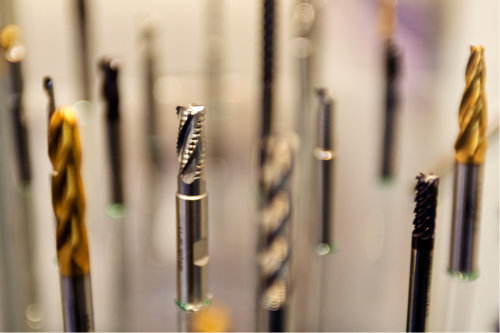
Carbide end mills are widely used for milling 4140 steel components. They are commonly selected for machining pockets, contours, slots, and complex profiles where dimensional accuracy and surface quality are important.
A wide range of geometries is available, allowing manufacturers to match the cutting tool to specific part features and machining requirements.
For turning, facing, and high-volume material removal, indexable insert tooling is often the preferred choice. Replaceable inserts allow worn cutting edges to be changed quickly without replacing the entire tool body, helping improve production efficiency and reduce tooling costs.
Different insert geometries may be selected depending on the desired surface finish, chip formation, and machining operation.
Many machining operations use coated tooling to improve process stability and extend usable cutting performance. Tool coatings can help reduce friction between the cutting edge and the workpiece while improving consistency during longer machining cycles.
The specific coating selected often depends on machining conditions, material hardness, and production requirements.
Tool life is influenced by multiple factors, including cutting parameters, material condition, coolant strategy, and machining time. Rather than maximizing tool life alone, many manufacturers focus on maintaining predictable performance and consistent part quality throughout production.
Regular tool monitoring and scheduled tool replacement are commonly used to reduce unexpected downtime and maintain process reliability.
Surface finishing is often used to improve corrosion resistance, wear performance, appearance, or service life after machining. The most suitable finish depends on the operating environment, application requirements, and desired component performance.
Black oxide is a commonly used finish for 4140 steel machined parts. It produces a uniform black appearance while providing mild corrosion protection when combined with oil or wax treatments.
Because dimensional change is minimal, black oxide is often selected for precision components where maintaining existing tolerances is important.
Zinc plating is frequently used when additional corrosion resistance is required. The coating creates a protective barrier between the steel substrate and the surrounding environment, helping reduce the risk of rust in general industrial applications.
This finish is commonly found on brackets, fasteners, mounting hardware, and equipment components exposed to moderate environmental conditions.
Electroless nickel provides a uniform coating thickness across complex geometries, including internal features and difficult-to-reach surfaces. In addition to improving corrosion resistance, the finish can enhance surface hardness and wear performance.
It is often selected for precision components used in fluid systems, industrial equipment, and applications requiring consistent surface coverage.
QPQ and nitriding are commonly used when increased surface hardness and wear resistance are required. Rather than adding an external coating, these processes modify the outer layer of the material to improve durability while maintaining core toughness.
Applications involving sliding contact, repeated loading, or abrasive environments often benefit from these treatments due to their ability to extend component service life.
The order of machining and heat treatment can significantly influence production efficiency, dimensional accuracy, and final part quality. Manufacturers often adjust the process sequence based on part geometry, tolerance requirements, and material condition.
Many 4140 components are rough machined before heat treatment. Removing the majority of the material at this stage reduces cutting forces and improves machining efficiency while the material remains easier to machine.
This approach is commonly used for parts that will undergo hardening after machining and require additional finishing operations before final inspection.
Some applications require machining pre-hardened or heat-treated 4140 steel. Although cutting conditions may become more demanding, this method can reduce process steps and shorten overall production time for certain components.
The decision often depends on required hardness, part complexity, and production volume.
Critical dimensions, precision bores, bearing surfaces, and mating features are often finished after heat treatment to achieve final tolerances. This helps compensate for any minor dimensional movement that may occur during the heat-treatment process.
For a detailed overview of 4140 alloy steel properties and heat treatment, see our complete guide to 4140 alloy steel machined parts.
4140 steel is used across a wide range of industries where components are exposed to mechanical loads, repeated operation, or demanding service conditions. Its versatility allows manufacturers to produce parts ranging from simple shafts to complex tooling components.
Many industrial machines rely on 4140 steel for components that must withstand continuous operation and mechanical stress. Common examples include drive shafts, couplings, support components, rollers, and machine elements used in production equipment.
The material is frequently selected for applications where durability and long-term reliability are important.
Hydraulic systems often contain precision-machined parts that operate under pressure and repeated loading. 4140 steel is commonly used for hydraulic shafts, cylinders, rods, valve components, and other parts that require strength and dimensional stability throughout service life.
Its widespread availability also makes it a practical choice for replacement and custom-manufactured hydraulic components.
In automotive and motorsport applications, 4140 steel is frequently used for high-strength mechanical parts. Examples include axle components, transmission parts, hubs, spacers, mounting hardware, and performance-oriented drivetrain components.
The material is particularly useful where higher loads are present and standard carbon steels may not provide sufficient durability.
Manufacturing operations often require fixtures, jigs, clamping devices, and tooling components that maintain accuracy under repeated use. 4140 steel is widely used for these applications because it can support both production machining and assembly operations while providing a long service life.
Custom tooling and fixture components are also commonly machined from 4140 plate and block material.
Both 4140 and 1045 are widely used for CNC-machined components, but they are often selected for different performance requirements. While 1045 is generally easier to machine, 4140 offers higher strength, improved wear resistance, and greater flexibility for demanding applications.
Feature | 4140 Steel | 1045 Steel |
Strength | Higher | Lower |
Wear Resistance | Higher | Lower |
Machinability | Moderate | Better |
Heat Treatability | Better | Limited |
Typical Applications | Shafts, hydraulic components, tooling, high-load parts | General machine parts, brackets, shafts, structural components |
Material Cost | Higher | Lower |
Service Life | Longer in demanding applications | Suitable for moderate-duty applications |
For projects where strength, durability, and wear performance are priorities, 4140 is often the preferred choice. When cost efficiency and ease of machining are more important than maximum mechanical performance, 1045 may provide a practical alternative.
Part design can have a significant impact on machining efficiency, tooling requirements, and overall manufacturing cost. Considering machining constraints early in the design stage often leads to more stable production and improved part quality.
Deep pockets, narrow slots, and high aspect-ratio features can increase machining time and limit tool performance. These geometries often require longer cutting tools, which may reduce rigidity and make it more difficult to maintain dimensional accuracy.
Whenever possible, feature dimensions should be designed to allow efficient material removal while providing adequate tool access.
Machining operations depend on the ability of cutting tools to reach critical surfaces. Tight internal corners, restricted cavities, and inaccessible features may require additional operations or specialized tooling.
Providing sufficient clearance for standard cutting tools can simplify manufacturing and help reduce production costs.
Critical surfaces and precision features often benefit from a two-stage machining approach. Rough machining removes the majority of the material, while a finishing pass brings the part to final dimensions.
Leaving a small amount of stock for finishing can improve surface quality and help maintain tighter tolerances on important features.
Parts that undergo heat treatment may experience minor dimensional movement after processing. Components with thin walls, large unsupported areas, or complex geometries are often more susceptible to distortion.
When tight tolerances are required, designers should consider the machining sequence and allow for final finishing operations after heat treatment if necessary.
4140 steel remains one of the most practical materials for CNC-machined components requiring a balance of strength, machinability, and durability. By selecting suitable machining processes, tooling, surface finishes, and manufacturing sequences, manufacturers can produce reliable parts for demanding industrial applications.At Rollyu, these principles are applied throughout the production of custom 4140 steel machined parts for prototype and production projects.
4140 steel is generally considered machinable, especially in the annealed condition. While it is more demanding than some low-carbon steels, it can be machined efficiently using appropriate tooling and machining strategies.
Yes. 4140 steel is widely used in CNC machining for shafts, bushings, tooling components, hydraulic parts, and other precision components. It is suitable for milling, turning, drilling, and threading operations.
4140 offers a practical balance between strength and machinability. It is easier to machine than many high-alloy steels while providing higher performance than general-purpose carbon steels.
Yes. 4140 typically requires more cutting effort and places greater demands on tooling than 1045 steel. However, it provides improved strength, wear resistance, and heat-treatable performance.
Yes. Many manufacturers machine 4140 in a pre-hardened or heat-treated condition when required by the application. Tool selection and machining parameters may need to be adjusted depending on material hardness.
Carbide tooling is commonly used for machining 4140 steel due to its ability to maintain stable cutting performance and dimensional consistency. Coated tools and indexable inserts are also widely used in production environments.
4140 steel is commonly used for shafts, hydraulic components, tooling, fixtures, gears, and other parts that require strength, wear resistance, and long service life.