Mar. 25, 2026
Choosing the Right Material for Medical Components
Choosing the Right Material for Medical Components: A Guide to Medical Grade Materials
Keywords:
medical grade materials
materials for medical components
medical device material selection
best materials for medical device manufacturing
Introduction
Material selection is one of the most important steps in the design and manufacturing of medical devices. The materials used in medical components must meet strict requirements for safety, durability, corrosion resistance, and reliability. In many cases, these materials must also withstand sterilization processes and maintain performance under demanding conditions.
Proper medical device material selection ensures that medical equipment operates safely and consistently throughout its lifecycle. Engineers must carefully evaluate different medical grade materials to determine which option best meets the mechanical, chemical, and environmental requirements of the application.
Understanding the characteristics of different materials for medical components helps manufacturers develop reliable medical devices and ensure compliance with industry standards.
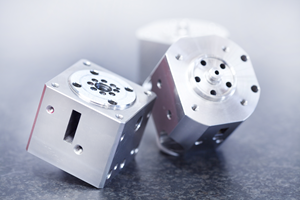
Technical Insights: How to Choose Materials for Medical Components
When selecting materials for medical devices, several key factors must be considered to ensure optimal performance and long-term reliability.
Biocompatibility
One of the most critical requirements for medical device manufacturing materials is biocompatibility. Materials used in medical environments must be safe for use in contact with the human body or sterile environments. This is why biocompatible materials such as titanium, stainless steel, and certain medical-grade plastics are commonly used.
Corrosion and Chemical Resistance
Medical devices are often exposed to sterilization chemicals, moisture, and cleaning agents. Materials must resist corrosion and degradation to maintain device safety and performance.
Mechanical Strength and Durability
Many medical components must maintain structural stability during repeated use. The chosen material should provide sufficient strength while maintaining dimensional accuracy.
Sterilization Compatibility
Medical devices frequently undergo sterilization processes such as autoclaving or chemical sterilization. Materials must be able to withstand these conditions without losing their mechanical properties.
Weight and Design Requirements
For certain medical devices, especially portable or handheld equipment, lightweight materials may be required. Engineering plastics and aluminum are often used for these applications.
By considering these factors, engineers can determine the best materials for medical device manufacturing based on the specific requirements of each application.
Manufacturing Capabilities at Rollyu Precision
At Rollyu Precision, we specialize in precision manufacturing solutions for complex components used in advanced equipment and technical industries.
Our capabilities include:
Precision CNC Machining
We produce high-precision components with tight tolerances using advanced CNC machining technology.
Multi-Axis Machining
Our machining capabilities enable the production of complex geometries and intricate part features.
Precision Sheet Metal Fabrication
In addition to machined components, we manufacture precision sheet metal parts used in equipment housings and structural assemblies.
Quality Inspection
Inspection processes help ensure dimensional accuracy and consistent product quality throughout the manufacturing process.
Through advanced manufacturing technology and experienced production teams, Rollyu Precision supports customers requiring reliable precision components.
Common Materials Used for Medical Components
Various medical grade materials are used in medical device manufacturing depending on the application and performance requirements.
Titanium
Titanium is widely used in medical applications due to its strength, corrosion resistance, and excellent biocompatibility. It is commonly used in orthopedic devices and precision medical components.
Stainless Steel for Medical Devices
Stainless steel, particularly grades such as 316L, is one of the most common materials used in surgical instruments and medical equipment housings because of its durability and corrosion resistance.
Medical Grade Plastics
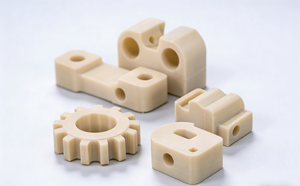
Many devices use medical grade plastics such as PEEK and other engineering polymers. These materials offer lightweight properties, chemical resistance, and compatibility with sterilization processes.
Aluminum
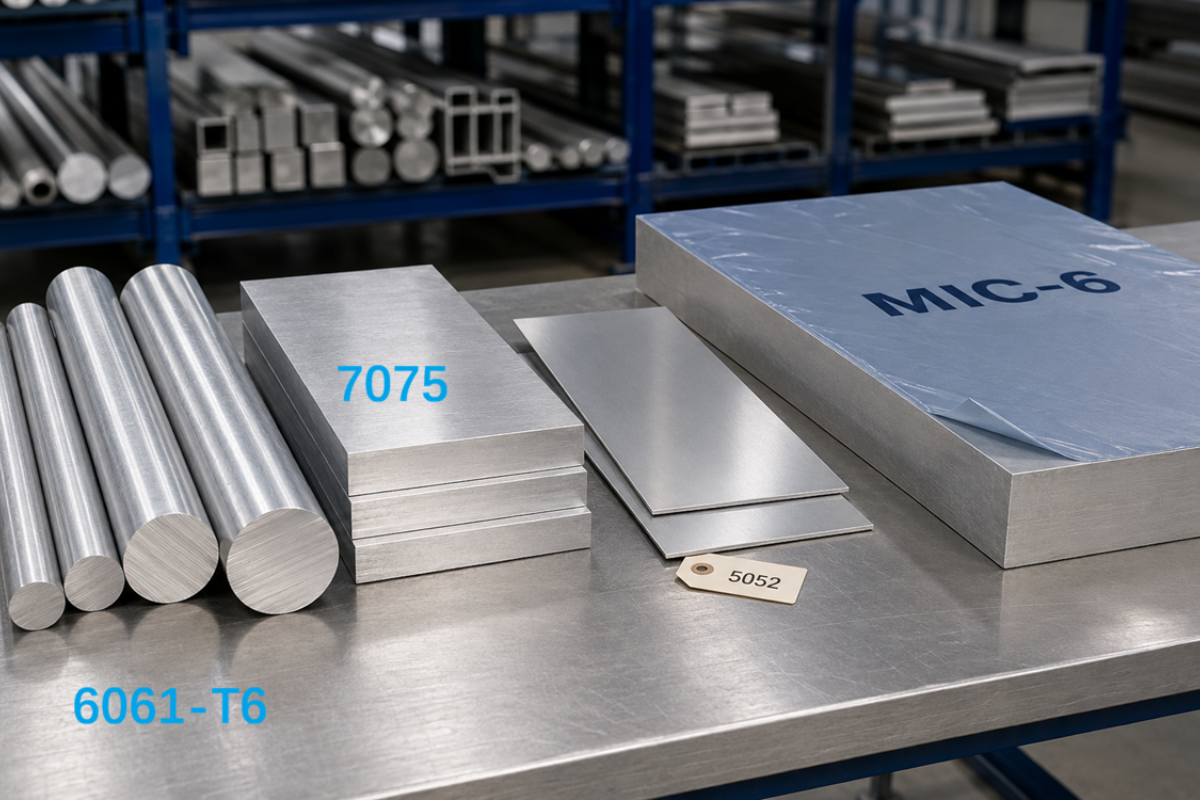
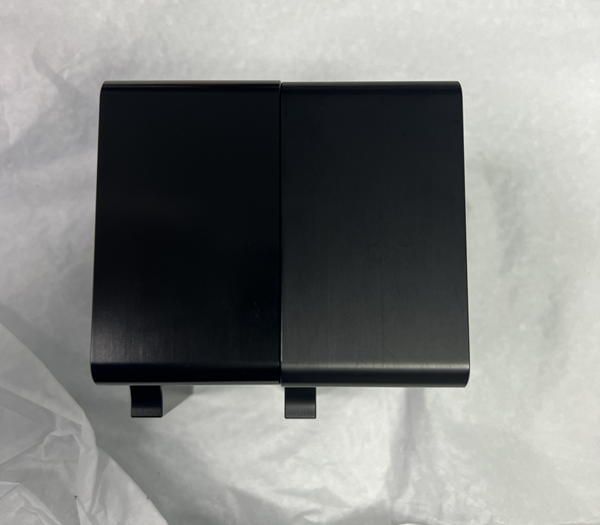
Aluminum is often used in medical equipment housings and structural components due to its lightweight properties and good machinability.
Selecting the appropriate materials for medical components helps ensure that medical devices meet functional, safety, and regulatory requirements.
Certifications and Quality Standards
Quality assurance is essential in the manufacturing of precision components used in medical equipment.
Rollyu Precision follows structured quality control procedures throughout the manufacturing process. Inspection and measurement processes are used to verify dimensional accuracy and ensure consistent product quality.
A well-managed quality system helps maintain reliable manufacturing standards and supports the production of high-precision components for demanding applications.
If your project requires precision components using medical grade materials, Rollyu Precision is ready to support your manufacturing needs.
With experience in CNC machining, multi-axis machining, and precision sheet metal fabrication, we help customers produce reliable components using materials such as titanium, stainless steel 316L, aluminum, and engineering plastics like PEEK.
Our team supports prototype development, low-volume production, and full-scale manufacturing, ensuring consistent quality and precision.
Contact us today to discuss your medical component manufacturing requirements.