Mar. 12, 2026
Common Materials Used in Medical Device Manufacturing
1. Introduction
Medical devices are used in environments where precision, safety, and reliability are critical. From surgical instruments and diagnostic equipment to dental systems and orthopedic devices, the materials used in these products must meet strict performance and regulatory requirements.
Selecting the right medical device materials is essential to ensure durability, biocompatibility, corrosion resistance, and mechanical strength. In many cases, these materials must also be compatible with sterilization processes and capable of maintaining their performance over long periods of use.
In modern medical manufacturing, advanced materials combined with precision machining technologies allow manufacturers to produce high-quality components that meet the demanding standards of the healthcare industry.
2. Technical Insights: Key Medical Device Materials
Several materials are commonly used in medical device manufacturing because of their excellent mechanical properties, corrosion resistance, and compatibility with medical environments.
Titanium
Titanium is widely used in the medical industry due to its high strength-to-weight ratio and excellent corrosion resistance. It is also known for its biocompatibility, making it suitable for components used in orthopedic devices, surgical tools, and implantable systems.
Key advantages of titanium include:
High strength and durability
Excellent corrosion resistance
Good biocompatibility
Lightweight properties
Stainless Steel (316L)
Stainless steel, particularly grade 316L, is one of the most commonly used medical device materials. It offers excellent corrosion resistance and mechanical strength while remaining relatively easy to machine.
Typical applications include:
Surgical instruments
Medical device housings
Dental equipment components
Sterilization trays
Aluminum
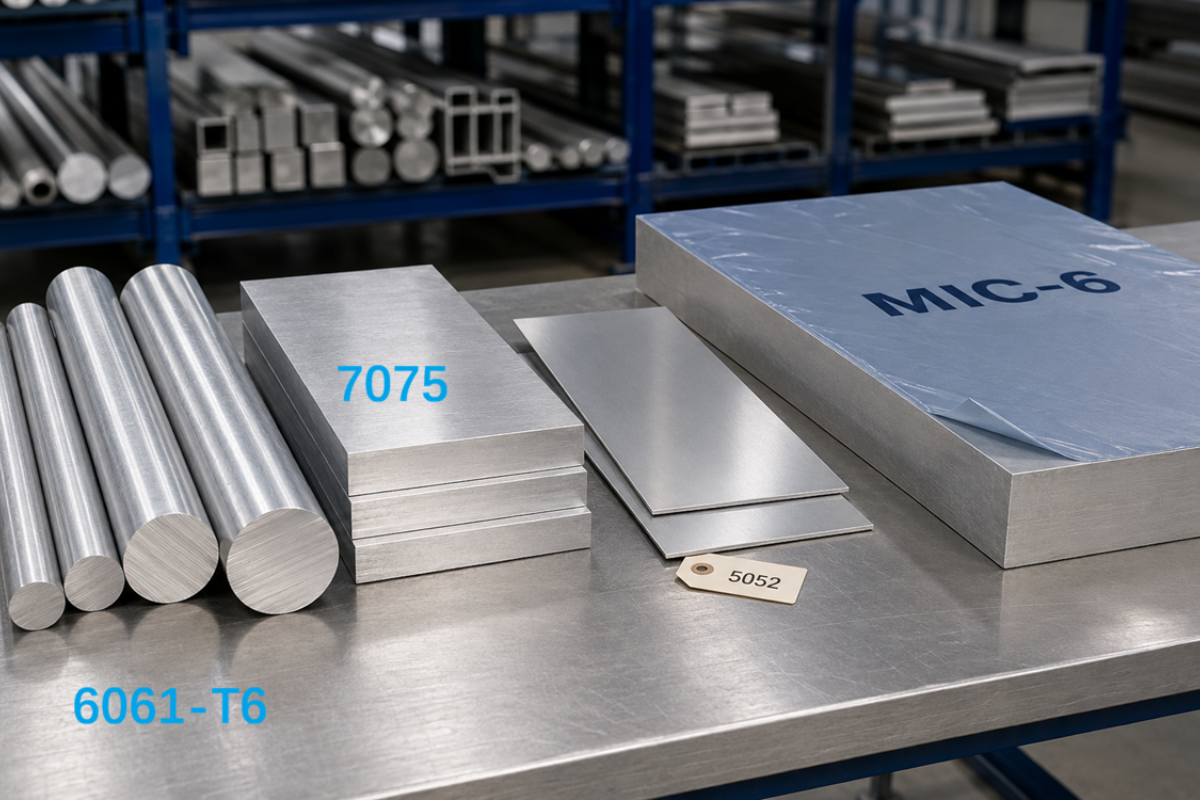
Aluminum is frequently used for medical equipment housings and structural components. Its lightweight nature and good machinability make it ideal for devices that require both strength and reduced weight.
Advantages include:
Lightweight properties
Good corrosion resistance
High machinability
Cost efficiency
PEEK (Polyether Ether Ketone)
PEEK is a high-performance engineering plastic commonly used in advanced medical devices. It offers excellent chemical resistance and can withstand repeated sterilization processes.
PEEK is often used for:
Precision medical components
Lightweight device parts
High-temperature medical applications
3. Material Selection in Medical Device Design
Choosing the right medical device materials depends on several important factors.
Mechanical Requirements
Some components require high strength and rigidity, while others require flexibility or lightweight properties.
Corrosion and Chemical Resistance
Medical devices must often withstand sterilization chemicals, moisture, and cleaning processes.
Surface Finish and Cleanliness
Smooth surfaces are often required to reduce contamination risks and enable easier sterilization.
Manufacturability
The material must be suitable for precision manufacturing processes such as CNC machining or sheet metal fabrication.
Proper material selection helps ensure the final medical device meets both functional requirements and industry standards.
4. Manufacturing Capabilities at Rollyu Precision
At Rollyu Precision, we manufacture high-precision components using a variety of materials commonly used in medical equipment and advanced technologies.
Our capabilities include:
Precision CNC Machining
We produce precision components with tight tolerances using advanced CNC machining technology.
Multi-Axis Machining
Our machining processes allow the production of complex geometries required in modern medical devices.
Material Expertise
We regularly machine materials such as:
Titanium
Stainless steel
Aluminum
Engineering plastics such as PEEK
Precision Sheet Metal Fabrication
In addition to machined parts, we also produce precision sheet metal components used in medical equipment housings and assemblies.
Quality Inspection
Inspection processes help ensure dimensional accuracy and consistent part quality throughout production.
Through advanced manufacturing capabilities and strict quality control, Rollyu Precision supports customers requiring precision components across various industries.
Looking for a Reliable Partner for Medical Device Components?
Rollyu Precision specializes in precision CNC machining and sheet metal fabrication for advanced industries including medical equipment manufacturing. Our team has extensive experience machining materials such as titanium, stainless steel 316L, aluminum, and engineering plastics like PEEK, helping customers produce reliable and high-performance components.
If you are developing medical devices or precision equipment and need a trusted manufacturing partner, we would be happy to support your project.