Apr. 09, 2026
When engineers, designers, or buyers search for “acetal vs Delrin”, the real question is not just about material names — it's about performance, cost, and application suitability.
Acetal (also known as POM – Polyoxymethylene) is a widely used engineering plastic, while Delrin® is a well-known brand of acetal homopolymer developed by DuPont.
Although often used interchangeably, there are important differences between Delrin and generic acetal, especially when comparing homopolymer vs copolymer materials.
Acetal is a high-performance thermoplastic known for:
High strength and stiffness
Low friction and excellent wear resistance
Good dimensional stability
Excellent machinability
There are two main types:
Acetal Homopolymer (e.g., Delrin)
Acetal Copolymer
Delrin® is a brand name for acetal homopolymer.
Compared to general acetal materials, Delrin typically offers:
Higher mechanical strength
Better fatigue resistance
Slightly higher stiffness
Excellent surface finish for machined parts
That’s why many searches like “delrin vs generic acetal” or “delrin 150 vs acetal” focus on performance differences.
| Property | Acetal Copolymer | Delrin (Homopolymer) |
|---|---|---|
| Strength | Good | Higher |
| Stiffness | Good | Higher |
| Moisture Resistance | Better | Moderate |
| Chemical Resistance | Better | Slightly lower |
| Cost | Lower | Higher |
| Porosity (Centerline) | No | Possible |
| Machining | Excellent | Excellent |
This is why many engineers compare:
acetal copolymer vs delrin
pom acetal copolymer vs delrin
delrin vs acetal homopolymer vs copolymer
Higher mechanical strength
Better fatigue resistance
Precision parts with tight tolerances
Applications like gears, bushings, mechanical components
Typical searches:
delrin vs acetal plastic
delrin vs acetal picks
delrin vs acetal guitar picks
Better chemical resistance
Lower moisture absorption
More stable performance in humid or wet environments
Lower cost solutions
Common comparisons:
acetal copolymer vs delrin 150
delrin vs acetal cost
delrin vs acetal copolymer price
Delrin picks → smoother feel, slightly stiffer
Acetal picks → more affordable, still durable
Search intent:
acetal vs delrin picks
delrin vs acetal guitar picks
acetal vs delrin vs ultem guitar picks
Acetal copolymer → better moisture resistance
Delrin → higher load strength
Search intent:
acetal vs delrin for sailboat blocks
Both offer low friction
Delrin may provide better wear resistance under load
Search intent:
acetal vs delrin on stainless steel friction
Black acetal vs black Delrin → performance difference still depends on polymer type, not color
Natural acetal vs Delrin → natural grades often preferred for food/contact or purity
Search intent:
black acetal vs delrin
natural acetal vs delrin
One of the most common buyer questions is:
“delrin vs acetal cost”
Delrin (homopolymer) → higher price
Acetal copolymer → more cost-effective
However, choosing purely based on price can lead to performance issues. The better approach is:
✔ Match material to application
✔ Balance cost vs lifecycle performance
To summarize:
Delrin = Acetal Homopolymer (higher performance, higher cost)
Acetal Copolymer = better chemical resistance, lower cost
So when people search:
acetal vs delrin
delrin vs acetal
delrin vs generic acetal
The real answer is:
It depends on your application, environment, and budget.
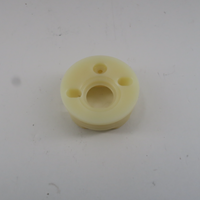
Understanding the difference between acetal and Delrin helps engineers and buyers make better material decisions.
If your project requires:
High strength and precision → go with Delrin
Better chemical resistance and cost efficiency → choose acetal copolymer
If you are looking for precision machined acetal or Delrin components, we can help you select the right material and ensure reliable quality for your application.
From material selection to machining and delivery, we provide a complete solution tailored to your project.