Jan. 20, 2026
Anodizing, Powder Coating, Bead Blasting & Plating in Precision Sheet Metal Fabrication
In precision sheet metal fabrication, surface finishing is a critical step that goes far beyond aesthetics. The right finish can improve corrosion resistance, wear protection, electrical insulation, and even enhance downstream assembly and sterilization performance — particularly in industries like medical devices, photonics, semiconductor manufacturing, automation, robotics, and aerospace.
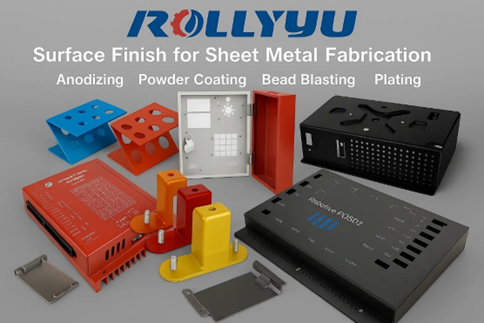
Here’s a technical breakdown of four commonly applied surface finishing techniques for sheet metal components:
1️ Anodizing
In precision sheet metal fabrication, anodizing remains one of the most important and widely specified surface finishing processes — especially for industries where both corrosion resistance and cosmetic appearance are mission-critical.
At Rollyu Precision, anodizing is fully integrated into our controlled production workflow to support industries such as medical devices, photonics, semiconductor manufacturing, aerospace, robotics, and industrial automation.
What Is Anodizing?
Anodizing is an electrochemical process that converts the surface of aluminum into a stable, durable, corrosion-resistant oxide layer. Unlike coatings or plating that add material on top of the surface, anodizing creates a controlled oxidation layer that becomes part of the metal itself.
✅ Non-conductive surface
✅ Strong adhesion for dyes and coloring
✅ Excellent wear resistance
✅ Superior corrosion protection
✅ Minimal dimensional impact (compared to plating or powder coating)
Types of Anodizing Used in Sheet Metal Fabrication
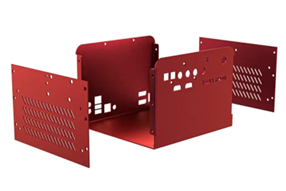
1️ Type II (Decorative Anodizing)
Oxide Thickness: 5–25 µm
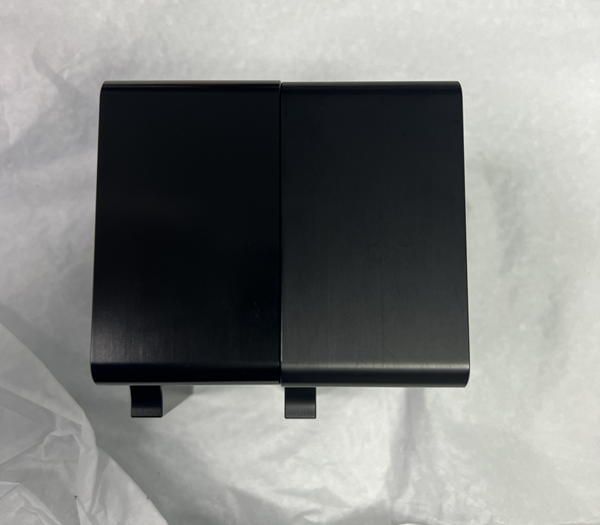
Wide color options: clear, black, red, blue, gold, etc.
Smooth, semi-gloss to matte finish
Used heavily for medical, photonics, and consumer electronics
2️ Type III (Hardcoat Anodizing)
Oxide Thickness: 25–100 µm
Extremely wear-resistant surface
Darker appearance (often black or gray)
Used for robotic arms, mechanical frames, wear-critical components
Process Type: Electrochemical oxidation (aluminum primarily)
Thickness: 5–25 µm (Type II); up to 100 µm (Type III - Hard Anodizing)
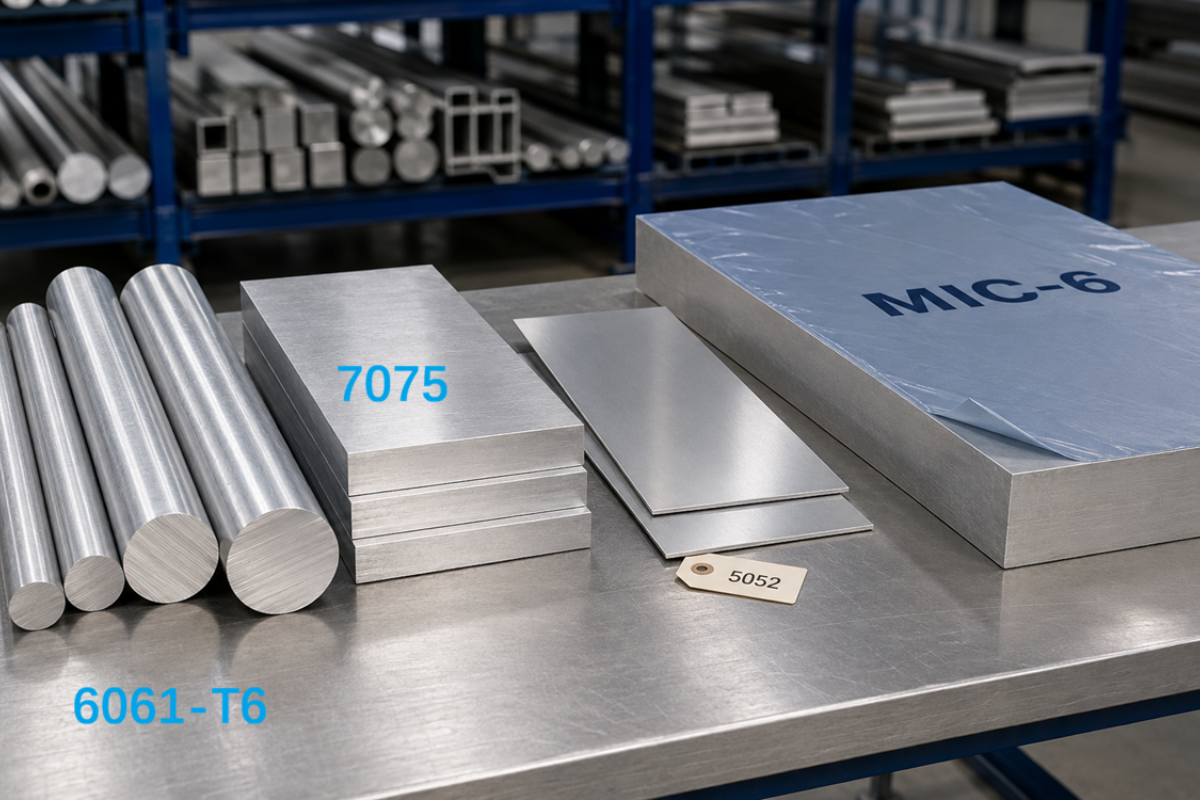
Typical Materials: Aluminum alloys (6061, 5052, 7075, MIC6, etc.)
Benefits:
Excellent corrosion resistance
Improved surface hardness (especially hard anodizing)
Electrical insulation (non-conductive layer)
Dyeing capability for colored finishes (black, red, blue, etc.)
Chemically stable for medical and semiconductor environments
Excellent for cosmetic parts requiring color consistency
Typical Applications:
Medical housings, enclosures, surgical components
Photonics brackets and light baffles
Semiconductor machine covers
Aerospace structural panels
Robotic frames and arms
Key Note (Rollyu Precision Practice):
Anodizing is frequently specified for medical and photonics industries, where both cosmetic appearance and chemical stability are essential.
Why Anodizing Is Ideal for Precision Sheet Metal Parts
Benefit | Explanation |
Corrosion Resistance | Excellent protection against moisture, chemicals, and sterilization processes |
Wear Resistance | Type III hardcoat provides superior abrasion resistance for moving parts |
Dimensional Stability | Minimal buildup compared to plating or powder coating |
Aesthetic Consistency | Uniform color and appearance for external visible parts |
Biocompatibility | Non-toxic and widely accepted for medical devices and surgical instruments |
Cleanroom Compatibility | Stable, non-shedding surface for semiconductor and photonics equipment |
Excellent Dyeing Capabilities | Wide range of colors for cosmetic or functional purposes |
Common Applications of Anodized Sheet Metal Components
✅ Medical Devices
Surgical enclosures, housings, instrument panels
Highly corrosion-resistant and sterilization-stable
✅ Photonics & Optics
Optical mounts, alignment brackets, light baffles
Matte black anodizing for anti-reflective surfaces
✅ Semiconductor Equipment
Vacuum chamber covers, robot arms, fixture frames
Non-contaminating, cleanroom stable
✅ Robotics & Automation
Structural arms, enclosures, and guide rails
Wear-resistant and corrosion-stable
✅ Aerospace
Lightweight panels and brackets
Excellent fatigue resistance and UV stability
Anodizing vs Other Finishes
Finish | Thickness | Best For |
Anodizing | 5–100 µm | Corrosion, wear, cleanroom, cosmetics |
Powder Coating | 50–150 µm | Impact resistance, thick coatings, outdoor |
Bead Blasting | Minimal | Matte texture preparation |
Plating | 2–25 µm | Electrical, wear, decorative |
Rollyu Precision: Full-Service Anodizing Expertise
At Rollyu Precision, anodizing is carefully controlled as part of our complete sheet metal fabrication process:
✅ CNC laser cutting, punching, bending, welding, assembly → anodizing in controlled workflow
✅ ISO 9001 & ISO 13485 certified processes
✅ Engineering support for DFM (Design for Manufacturability)
✅ Full traceability and documentation for regulated industries
Whether you’re manufacturing the next generation of surgical robotics, photonics equipment, or semiconductor tooling, our team ensures your anodized components meet the highest technical and cosmetic standards.
2️ Powder Coating
In modern precision sheet metal fabrication, powder coating is one of the most versatile, cost-effective, and durable finishing options — widely adopted across industries such as medical devices, laboratory equipment, photonics, semiconductor manufacturing, industrial automation, robotics, and aerospace.
At Rollyu Precision, powder coating is fully integrated into our sheet metal fabrication workflow, ensuring both cosmetic consistency and performance reliability for every part we deliver.
What Is Powder Coating?
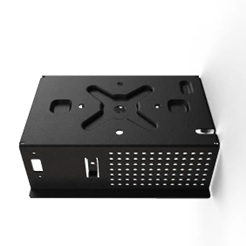
Powder coating is a dry finishing process that uses finely ground pigment and resin particles that are electrostatically charged and sprayed onto the surface of sheet metal parts. Once applied, the coated parts are placed into an oven where the powder melts, flows, and chemically cures into a hard, protective coating.
Unlike liquid paints, powder coating contains no solvents and offers superior mechanical, chemical, and cosmetic performance.
Why Powder Coating Is Ideal for Sheet Metal Fabrication
Benefit | Details |
Exceptional Durability | High impact, scratch, and abrasion resistance |
Corrosion Protection | Forms a strong, moisture-resistant barrier |
Wide Color Options | Available in thousands of colors, gloss levels, and textures |
Uniform Coating | Smooth, consistent coverage on edges, corners, and complex geometries |
Eco-Friendly | No VOC emissions, minimal waste |
Cost-Effective | Ideal for batch runs and scalable production |
Minimal Preparation | Compatible with a wide range of sheet metal alloys |
Typical Powder Coating Thickness
Standard Coating: 50–100 µm (0.002–0.004 inch)
Heavy Duty Coating: Up to 150 µm for high-wear or outdoor components
Materials Commonly Powder Coated
Aluminum (6061, 5052, 7075)
Stainless Steel (304, 316)
Mild Steel / Carbon Steel (SPCC, CRS, HRPO)
Proper pretreatment (such as phosphate coating, chemical cleaning, or bead blasting) is performed prior to powder coating to ensure maximum adhesion and durability.
Typical Applications of Powder Coated Sheet Metal Components
✅ Medical Devices & Lab Equipment
Instrument panels, enclosures, mobile carts, diagnostic systems
Smooth, easy-to-clean surfaces that resist sterilization chemicals
✅ Industrial Automation & Robotics
Control boxes, machine guards, brackets, frames
Resistant to mechanical wear and daily operational impact
✅ Photonics & Optical Equipment
Outer housings, protective covers
Available in low-glare matte finishes for optical systems
✅ Semiconductor Manufacturing
Equipment panels, access doors, control enclosures
Cleanable, non-particulating surfaces compatible with cleanroom environments
✅ Aerospace & Defense
Instrument housings, control panels
Lightweight, durable, corrosion-resistant for extreme environments
Powder Coating vs Other Surface Finishes
Finish | Best For | Key Advantage |
Powder Coating | High durability, outdoor, industrial | Excellent mechanical strength & color stability |
Anodizing | Precision, color stability, medical | Thin, corrosion-resistant oxide layer |
Bead Blasting | Texture prep, cosmetic matte | Pre-treatment for coatings |
Plating (Zinc/Nickel) | Wear resistance, conductivity | Functional surface properties |
For fabricated sheet metal parts, powder coating offers unique advantages compared to wet painting or other finishes:
Property | Powder Coating | Liquid Painting | Anodizing |
Solvent-Free | ✅ | ❌ | ✅ |
High Thickness Build | ✅ | ❌ | ❌ |
Uniform Coating | ✅ | ❌ | ✅ |
Wide Color Selection | ✅ | ✅ | Limited |
Excellent Corrosion Resistance | ✅ | ✅ | ✅ |
Impact Resistance | ✅ | ❌ | ❌ |
UV Stability | ✅ | ✅ | Limited |
Powder Coating Process Flow at Rollyu Precision
At Rollyu Precision, powder coating for sheet metal parts follows a controlled multi-step workflow:
1️⃣ Surface Preparation
Degreasing and cleaning to remove oils and contaminants.
Media blasting or chemical pre-treatment (zinc phosphate, chromate conversion for aluminum).
Thorough drying.
2️⃣ Powder Application
Electrostatic spray guns apply powder particles.
Uniform coverage across flat and complex geometries.
3️⃣ Curing
Parts enter a curing oven at 160°C to 220°C (320°F to 430°F).
Powder melts, flows, and chemically cross-links into a durable coating.
4️⃣ Inspection & Quality Control
Visual inspection for coverage and color consistency.
Adhesion, thickness, hardness, and gloss measurements.
5️⃣ Packaging
Fully cured parts are packaged with protective wrapping to avoid surface damage during shipment.
Each part is inspected to ensure uniform coverage, color consistency, coating thickness, and cosmetic appearance meets the customer's exact specifications.
Industries Trusting Powder Coating in Precision Manufacturing
✅ Medical Devices
✅ Laboratory & Scientific Equipment
✅ Semiconductor Tools
✅ Photonics Systems
✅ Automation & Robotics
✅ Aerospace Components
✅ Telecommunications
Industry Applications
At Rollyu Precision, powder coating is used across many of the industries we serve:
Medical Devices
Equipment frames, housings, enclosures requiring cleanable and durable surfaces.
Antimicrobial powders available for hospital environments.
Semiconductor & Photonics
Precision enclosures and racks requiring ESD-safe coatings and smooth non-particulating surfaces.
Robotics & Automation
Machine guards, panels, and chassis subject to impact, abrasion, and handling.
Industrial Equipment
Cabinets, junction boxes, electrical enclosures needing corrosion resistance and insulation properties.
Telecommunications
Racks and outdoor enclosures requiring UV and weather protection.
And more.
Advantages of Powder Coating for Sheet Metal
✅ Durability
Powder coating offers excellent resistance to chipping, scratching, fading, and corrosion — essential for parts exposed to wear, cleaning, and outdoor conditions.
✅ Consistency
The electrostatic process ensures uniform coating thickness, even on complex shapes, holes, and edges.
✅ Environmental Friendliness
Powder coating contains no VOCs (volatile organic compounds), overspray can be recycled, and no hazardous waste is generated.
✅ Cost-Effectiveness
Minimal rework, fast cycle times, and lower reject rates make powder coating a highly economical finishing method.
✅ Aesthetic Flexibility
Wide range of gloss levels, colors, metallics, textures, and special effects (e.g., wrinkle, matte, or anti-microbial finishes).
Design Considerations for Powder Coating
If you’re designing sheet metal parts to be powder coated, consider the following:
Edge Treatments: Sharp edges should be deburred and radiused to allow full powder coverage.
Holes and Slots: Avoid very small holes that can trap powder and lead to defects.
Grounding Points: Ensure conductive grounding points are available for electrostatic attraction.
Masking: Threads or critical surfaces may need masking during application.
Assembly After Coating: Account for coating thickness (typically 60–120 µm) when designing fits and tolerances.
Why Choose Rollyu Precision for Powder Coating?
✔ ISO 9001 & ISO 13485 certified
✔ In-house sheet metal fabrication + finishing integration
✔ Cleanroom-compliant powder coating options
✔ Full traceability & inspection documentation
✔ Fast-turnaround prototyping and production
✔ Industry-specific powder formulations (medical, ESD, outdoor-rated)
At Rollyu Precision, powder coating is fully integrated into our sheet metal fabrication workflow, eliminating hand-offs and delivering fully finished parts with superior consistency, cosmetic appearance, and functional durability.
Selecting the right surface finish directly affects corrosion resistance, wear performance, cleanliness, and long-term reliability—especially for regulated and high-precision applications.
If you need support evaluating anodizing or powder coating options, coating thickness, Ra requirements, or design compatibility, our engineering team is ready to help.