Jan. 09, 2026
Common Materials Used in Sheet Metal Fabrication
Each material offers unique properties, making them suitable for different applications.
1. Stainless Steel
Grades: 304, 316, 430, 321
Properties: Corrosion-resistant, strong, clean surface finish
Applications: Medical equipment, food processing, enclosures, brackets, cleanroom parts
Advantages:
Excellent corrosion and oxidation resistance
Hygienic and easy to clean (especially 316 in medical or marine)
High strength-to-weight ratio
2. Mild Steel (Carbon Steel)
Grades: A36, 1018, CRS (Cold-Rolled Steel), HRPO (Hot-Rolled Pickled & Oiled)
Properties: Cost-effective, easy to weld and form
Applications: Industrial housings, chassis, structural supports
Advantages:
Lower material cost
Excellent weldability and machinability
Suitable for powder coating or painting
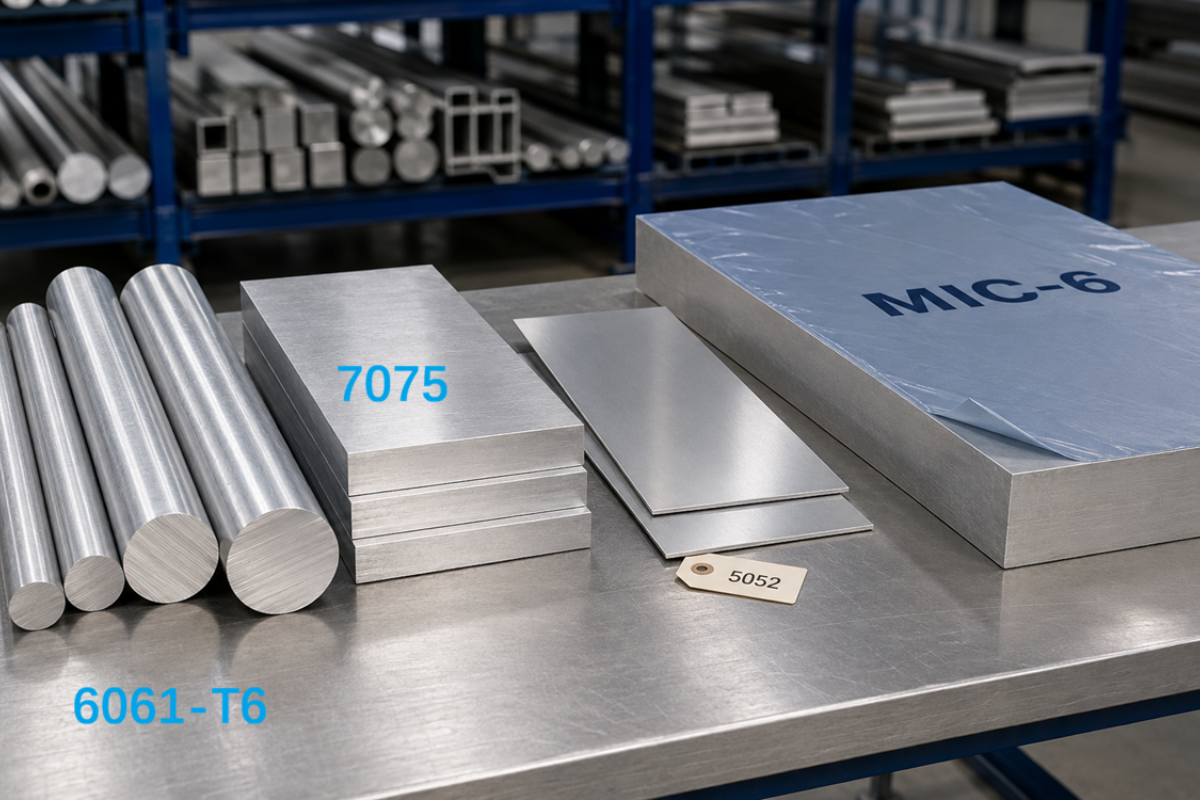
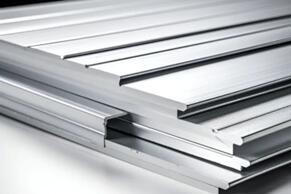
3. Aluminum
Grades: 5052, 6061, 3003
Properties: Lightweight, corrosion-resistant, good thermal/electrical conductivity
Applications: Electronics housings, medical devices, transportation panels
Advantages:
Lightweight and strong
Natural corrosion resistance
Excellent for CNC + sheet metal hybrid parts
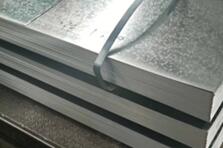
4. Galvanized Steel
Types: G90, Electro-galvanized
Properties: Carbon steel with zinc coating for corrosion resistance
Applications: HVAC systems, outdoor enclosures, automotive
Advantages:
Superior rust protection in humid or outdoor environments
Maintains paint adhesion
Cost-effective alternative to stainless steel
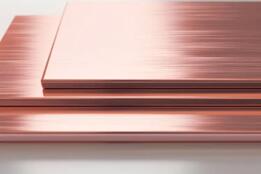
5. Copper
Properties: Excellent electrical and thermal conductivity, antimicrobial
Applications: Electrical components, busbars, heat sinks, EMI shielding
Advantages:
Highly conductive
Malleable and formable
Ideal for RF and grounding applications
6. Brass
Composition: Copper + Zinc alloy
Properties: Corrosion-resistant, decorative appearance, antimicrobial
Applications: Architectural panels, instruments, electronic connectors
Advantages:
Attractive gold-like finish
Good formability
Naturally resistant to bacteria
7. Titanium (for high-end applications)
Grades: Grade 2, Grade 5 (Ti-6Al-4V)
Properties: High strength-to-weight, corrosion-resistant, biocompatible
Applications: Aerospace panels, medical implants, defense systems
Advantages:
High-performance material
Excellent corrosion resistance in aggressive environments
Lightweight but strong
Material | Key Features | Common Uses |
Stainless Steel | Corrosion-resistant, strong | Medical, food, enclosures |
Mild Steel | Cost-effective, weldable | Industrial, frames, structures |
Aluminum | Lightweight, corrosion-resistant | Electronics, medical, transport |
Galvanized Steel | Rust-resistant coating | HVAC, cabinets, outdoor panels |
Copper | Conductive, antimicrobial | Electronics, EMI, heat sinks |
Brass | Decorative, corrosion-resistant | Architecture, electronics, instruments |
Titanium | Ultra-strong, corrosion-resistant | Aerospace, surgical, defense |